Mary Shelley in Bournemouth: The Last Stop
Mary Shelley never actually lived in Bournemouth.
This was something I discovered while planning a little Shelley pilgrimage around Bournemouth, Boscombe and Christchurch. It seemed slightly odd, therefore, to be setting off to find Mary Shelley in a place where she never lived. But there is a surprisingly strong Shelley connection here, particularly once you start looking beyond Mary herself and at what happened to her family after her death.
My visit was part of a weekend combining Shelley, Gothic cinema and Grindfest, the cult film festival held at the Regent Centre in Christchurch. It turned out to be a rather good combination, especially as they were screening Frankenstein Unbound, a time-travelling take on the Frankenstein story in which Mary, Percy and Byron all appear as characters.
St Peter's Church
The obvious place to start is St Peter's Church in Bournemouth, where Mary Shelley is buried.

Mary Shelley died in London in February 1851, from a brain tumour. In the final years of her life, she had expressed a strong wish to be buried alongside her parents, the feminist philosopher Mary Wollstonecraft and the political writer William Godwin.
Her son, Sir Percy Florence Shelley, and his wife, Lady Jane Shelley, made sure that wish was fulfilled. Mary Shelley was buried in Bournemouth, close to the new family home at Boscombe, now known as Shelley Manor. As her parents had originally been buried in the rather run-down Old St Pancras Churchyard in London, which was facing disruption from railway construction, Sir Percy Florence also arranged for their remains to be exhumed and brought to Bournemouth. They were then placed in the family vault alongside Mary.
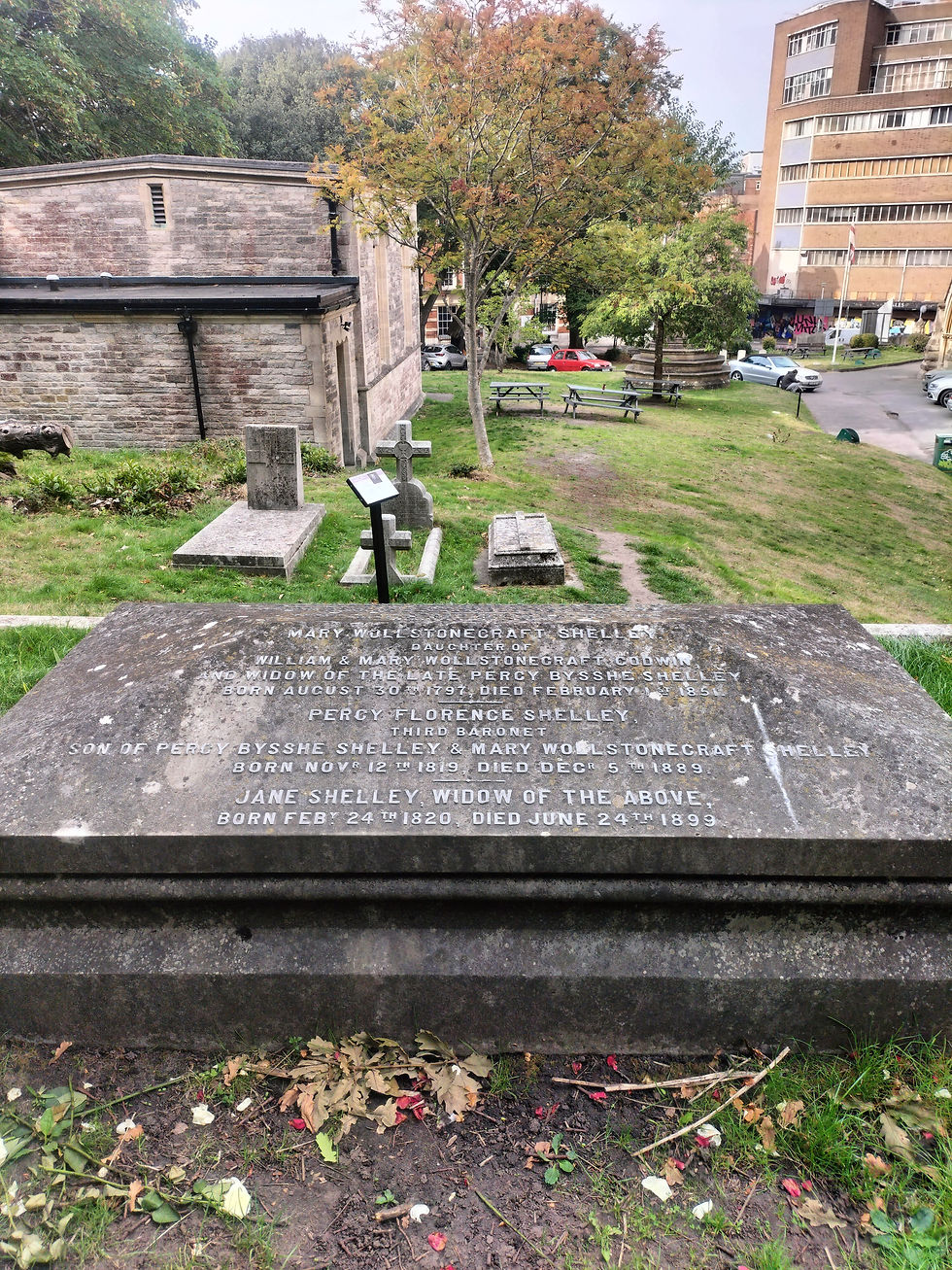
So today, Mary Shelley rests in the family vault with both of her parents, Mary Wollstonecraft and William Godwin. But they aren't the only members of the Shelley family represented there. According to historical accounts, the tomb also contains the heart of Mary’s husband, the Romantic poet Percy Bysshe Shelley. When Percy Bysshe Shelley drowned tragically in Italy in 1822, his body was cremated, but his heart reportedly survived the funeral pyre. Mary kept it as a treasured keepsake until her own death. It was eventually placed in the family vault when Sir Percy Florence Shelley was buried there in 1889.
It is a modest memorial, but offers a rather nice view of the church and The Mary Shelley, the Wetherspoon across the road.

Despite its rather disappointing exterior sign featuring the Monster rather than Mary, the pub does pay tribute to her inside, with a series of commissioned artworks by Diane Roberts entitled The Mary Shelley Suite, depicting her life. There are also displays about Mary and other Gothic writers and films. The artwork was surprisingly difficult to photograph, thanks to all those windows, but the Wetherspoons link above has great copies of the paintings.

There is something rather extraordinary about seeing all those names together. Mary Wollstonecraft, William Godwin, Percy Shelley and Mary Shelley: four people whose ideas and writing had such an influence on the literary and political culture of their time, all in one churchyard.
And then there is Mary's son, Percy Florence, who brought her remains here and whose own life would give the area a much stronger Shelley connection.
But Mary herself had no Bournemouth life to look back on. She died in London, and came here only after her death. Her son's connection with the area was much stronger.
Boscombe and the Shelley family
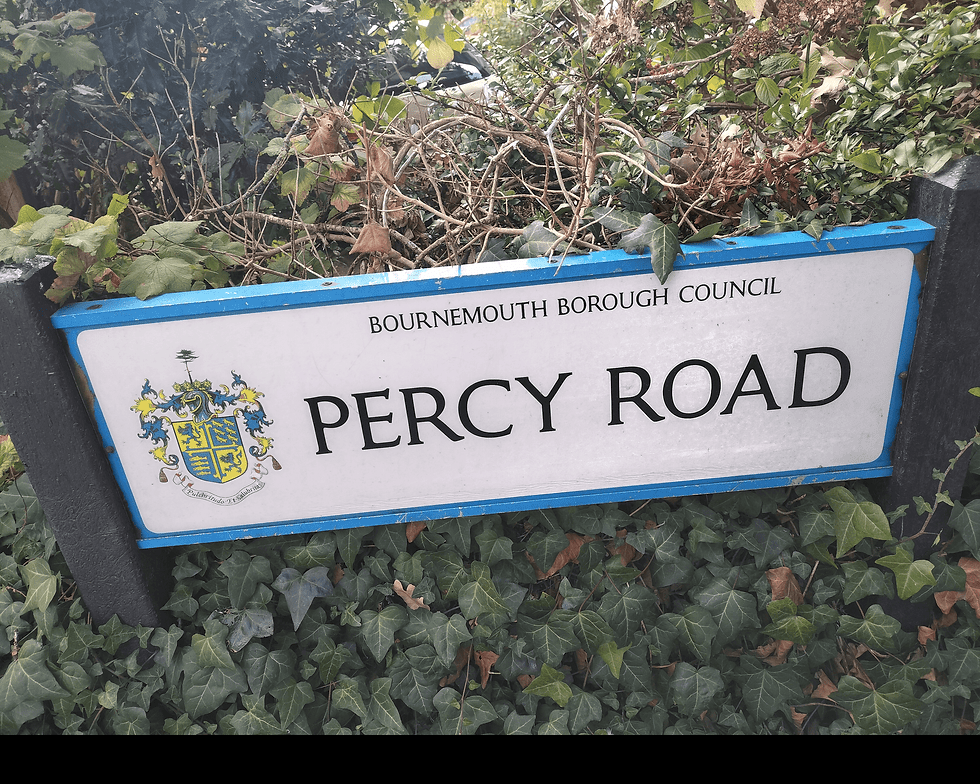
From Bournemouth I walked along the promenade to Boscombe, where Sir Percy Florence Shelley and his wife, Jane, lived at Boscombe Manor. Coming up the hill from the pier towards their former home, I detoured along roads named after members of this famous literary family. Sadly, it looks as though Godwin was missed out.
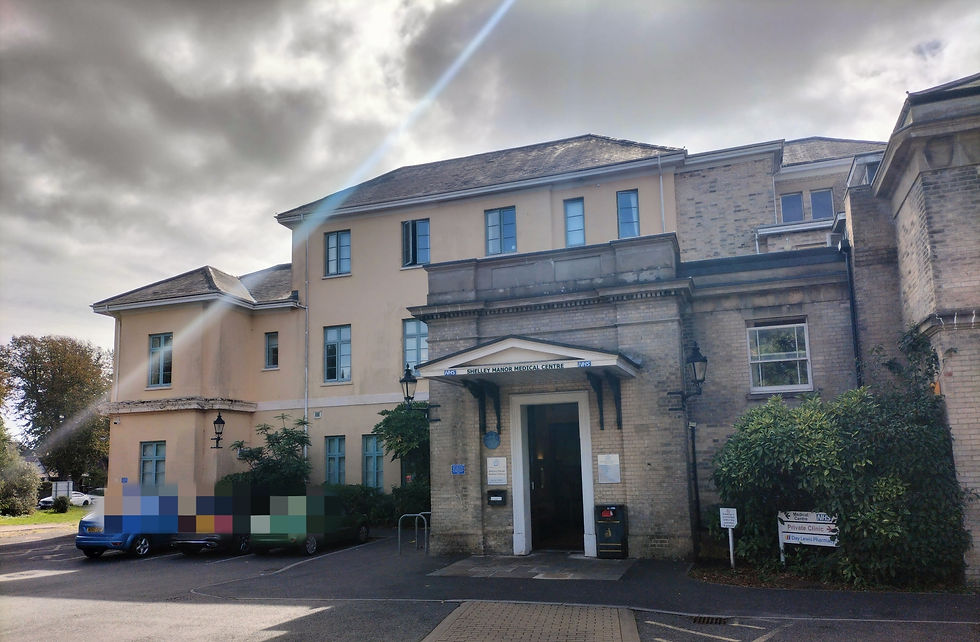
The connection is particularly poignant because the house had originally been acquired by Percy Florence in 1848 with his mother in mind. Mary was in poor health and the mild climate and sea air had been recommended, so he redeveloped Boscombe Cottage into a much larger house in the hope that she would come and live there. Sadly, she died before the work was finished. Percy Florence and his wife took up residence instead.
In 1866 Percy Florence had a private theatre built at Boscombe Manor, replacing an earlier timber theatre. It could seat up to 300 people and was used for performances involving the Shelley family and their friends, as well as public performances to raise money for local health facilities.
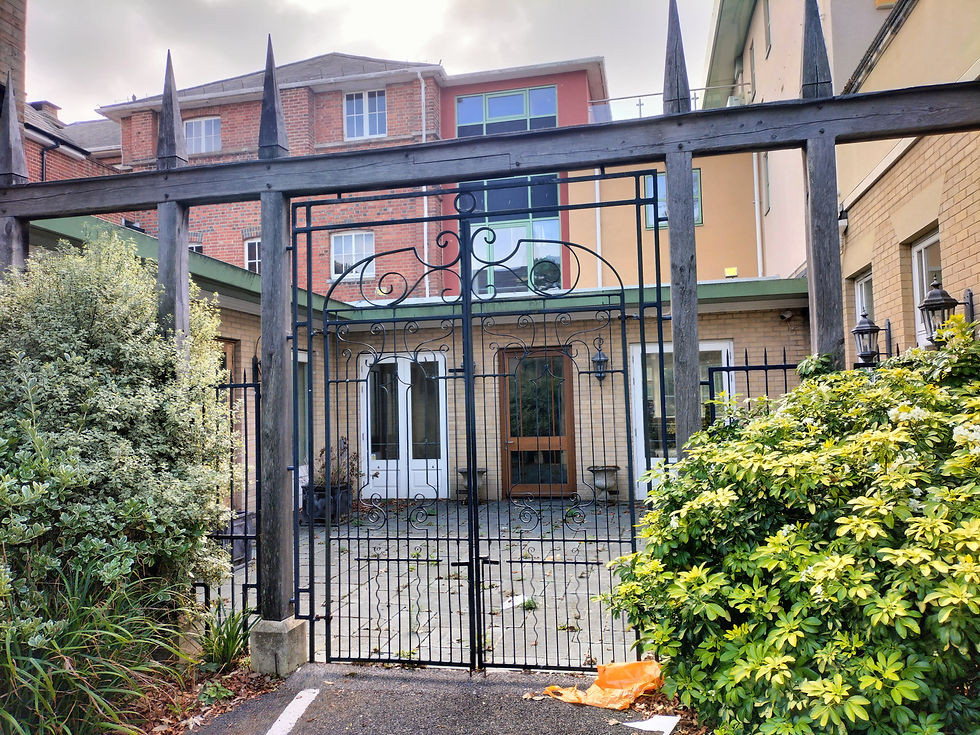
The Shelley Theatre remains a rare example of a mid-Victorian private theatre and was, sadly, closed when I visited. The sign outside did at least give some hope that it is being looked after with the intention of reopening.
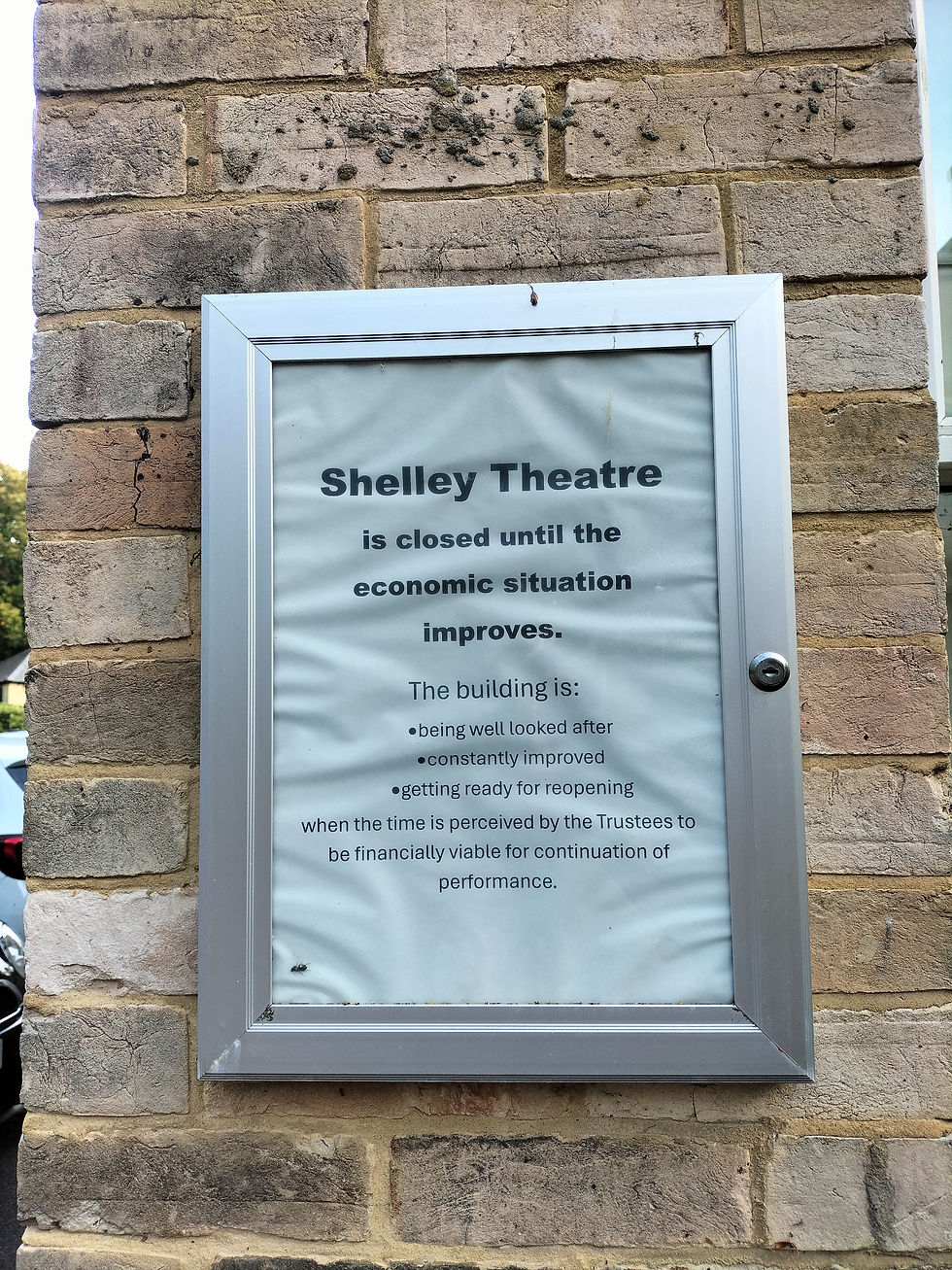
Given that the theatre itself is currently closed, I didn't get to see inside, but there is something rather lovely about knowing that this slightly unlikely building was once the private theatre of Mary Shelley's son.
And if you fancy living on the site of the Shelley family home, there was even a flat for sale in the Mary Shelley Apartments, the development above and alongside the original manor.
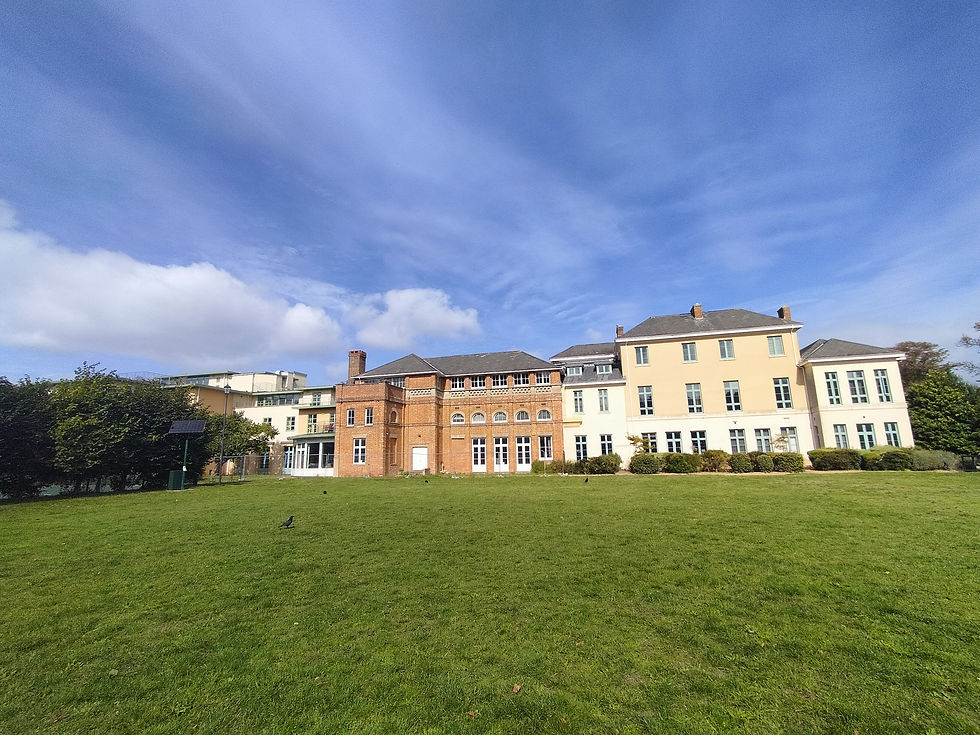
The grounds of the manor are now Shelley Park, and there was evidence of a community art project celebrating Mary's most famous creation.

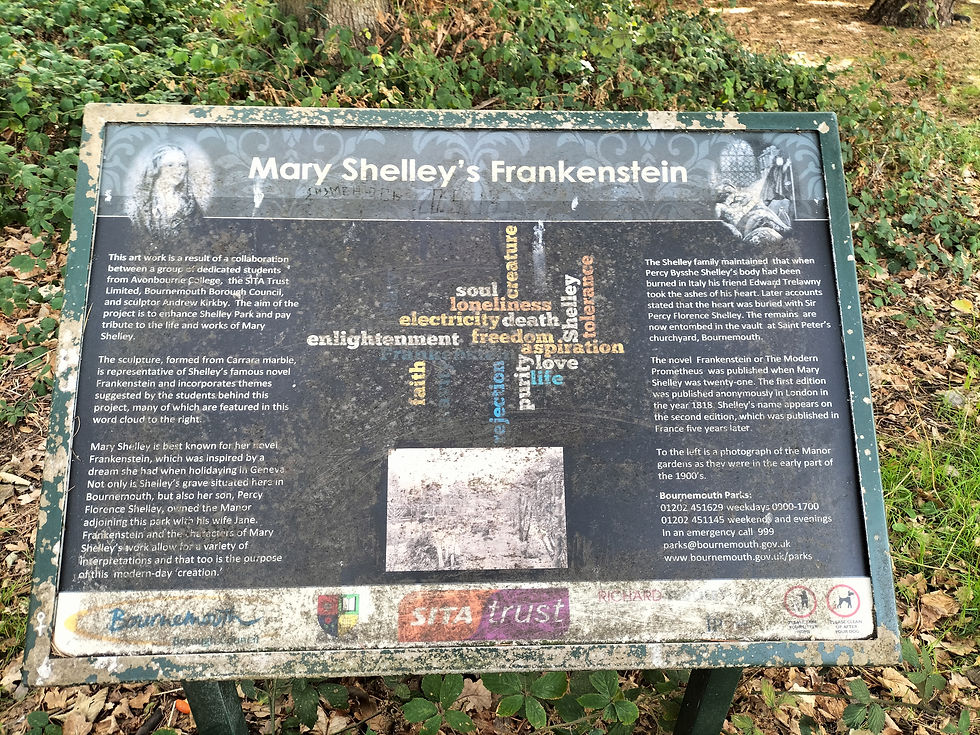
By this point, I was beginning to realise that this wasn't really a case of finding places where Mary Shelley lived and worked. Instead, it was about following what happened to her family and her memory after her death.
And there was one more stop.
Christchurch Priory
I was staying in Christchurch for the weekend for Grindfest, a horror and genre film festival which actually began life at the Shelley Theatre before moving to the Regent Centre, so it seemed only right to continue the Shelley trail there.
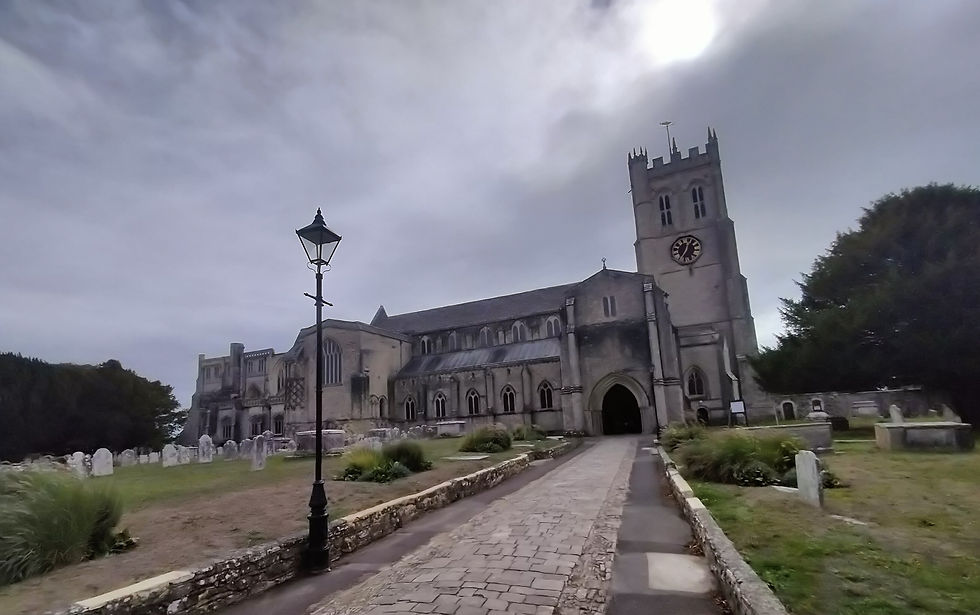
Christchurch Priory contains a substantial marble memorial to Percy Bysshe Shelley and Mary Shelley, created by the sculptor Henry Weekes and erected in 1854 by their son, Sir Percy Florence Shelley. It shows Mary mourning Percy, holding his drowned body as though it has just been washed ashore.
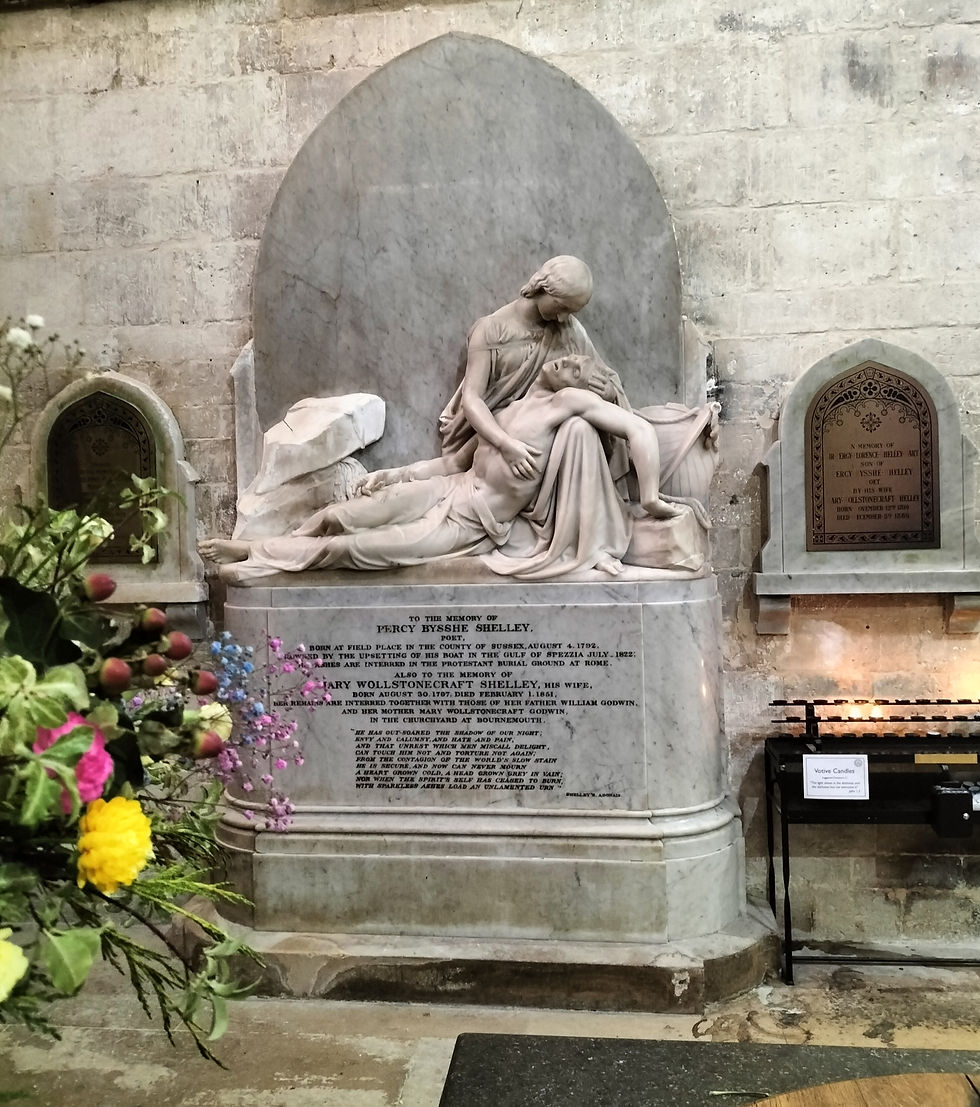
By this point I had gone from Mary's grave, to the place where her son had made his home, to a memorial commemorating the Shelley story.
It made for a rather neat progression, even if none of these places had actually been part of Mary's own life.
Mary Shelley crosses time
Frankenstein Unbound was one of the films I particularly wanted to see at Grindfest. Roger Corman's 1990 film isn't a straightforward adaptation of Frankenstein. Instead, based on Brian Aldiss's novel of the same name, it takes the story into science fiction and time travel.
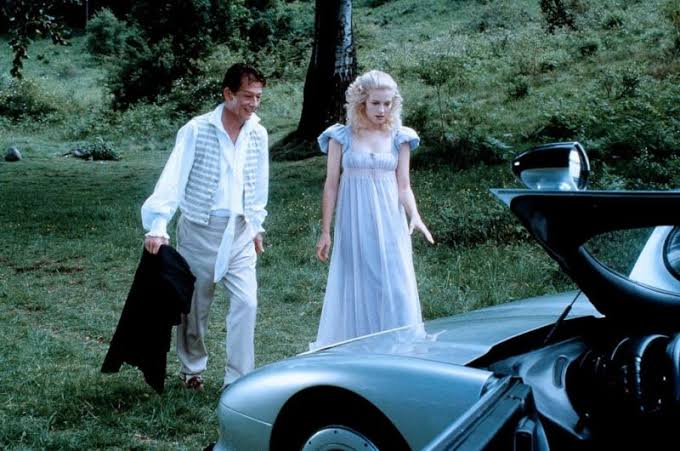
John Hurt plays a scientist from the future who is thrown back into the early nineteenth century, where he encounters Victor Frankenstein, played by Raul Julia, and meets Mary Shelley, played by Bridget Fonda, along with Percy Shelley (Michael Hutchence) and Lord Byron (Jason Patric). The film takes us back to Geneva in 1816, where the real-life Shelley circle is gathered, while our visitor from the future knows rather more about what is going to happen than they do.

And this is very much my jam.
It was a slightly odd feeling. I'd spent the previous day following Mary Shelley's connections around Bournemouth and Boscombe, then visited the Shelley memorial in Christchurch. Now here she was, turned into a character in a film about time travel.
Mary Shelley wrote Frankenstein almost two hundred years ago, but the story has never stayed in its original form. It has been adapted, reworked, parodied and reinvented for generations of readers and audiences. Frankenstein Unbound takes that process a step further by actually bringing its nineteenth-century characters into contact with the future.
So there was something rather satisfying about following the real Shelley story through Bournemouth, Boscombe and Christchurch, and then watching the fictional Frankenstein story do something similar on screen: move between places, periods and versions of itself.
And that was my Shelley weekend.
I started with Mary Shelley in a Bournemouth churchyard, followed her family to Boscombe, found the Shelley memorial in Christchurch and then, a couple of days later, watched Mary Shelley cross time.


Comments